
Top 10 Sustainable Bathroom Essentials for an Eco-Friendly Home
Creating a more sustainable home does not have to start with major lifestyle changes. In fact, one of the easiest places to begin is the bathroom. It is a space where many of us use multiple disposable or plastic-based products every single day, from toothbrushes and razors to shampoo bottles and cotton pads.
By making a few thoughtful swaps, you can significantly reduce waste, lower your plastic use, and often save money in the long term. The best part is that these changes are simple to introduce into your daily routine.
It is also important to remember that you do not need to throw away everything you own right now and switch to a new range of sustainable items. This itself goes against the basic principles of living sustainably… Instead, try to switch to these products as and when the ones you currently have are fully used up or broken beyond repair. I am sure for at least a few of these you will already have something suitable you are currently using, so just be sure to use these to their fullest before making a transition to something new.
In this top-10 list will break down some of my favourite sustainable bathroom essentials that are practical, effective, and ideal for anyone starting their eco-living journey.
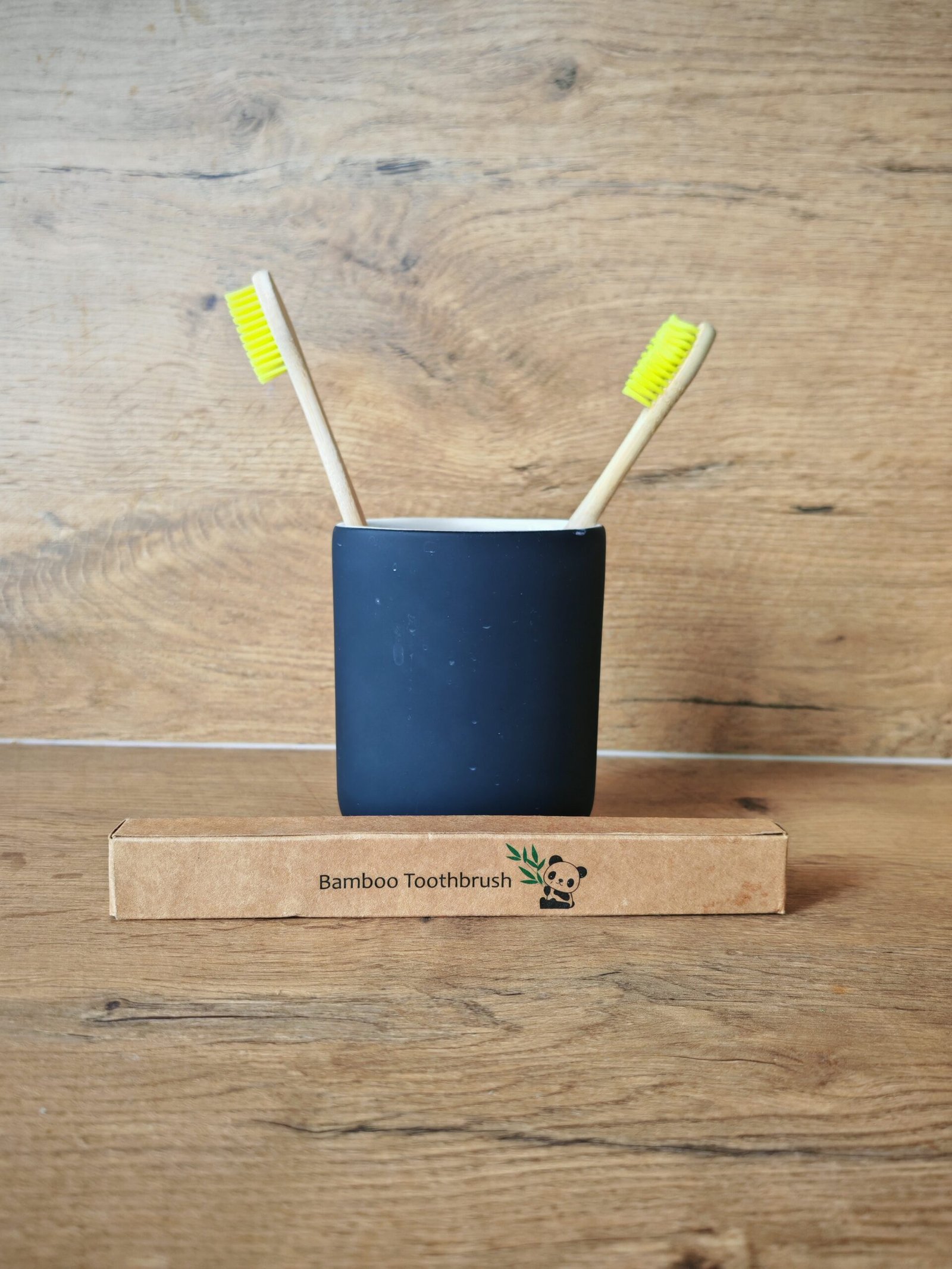
1. Bamboo Toothbrush
What is it?
A bamboo toothbrush is an alternative to the traditional plastic toothbrush. The handle is typically made from bamboo, a fast-growing renewable resource, while the bristles are usually nylon or plant-based fibres.
How is it used?
It is used exactly like a regular toothbrush for daily brushing, usually twice a day.
Why is it more sustainable?
Plastic toothbrushes contribute significantly to landfill waste and ocean pollution. Bamboo handles biodegrade far more easily and uses a renewable raw material. Here is a not-so-fun fact… every plastic toothbrush you have ever used, still exists today and will continue polluting the Earth for the next several thousand years. It was after hearing this that I made the switched!
Positives
- Easy switch with no learning curve
- Affordable
- Biodegradable handle
- Stylish and natural look
Negatives
- Bristles may still need to be removed before composting
- Needs to dry properly to avoid mould
Top tips
Store it upright in a dry holder and allow it to air dry between uses.
2. Toothpaste Tabs
What is it?
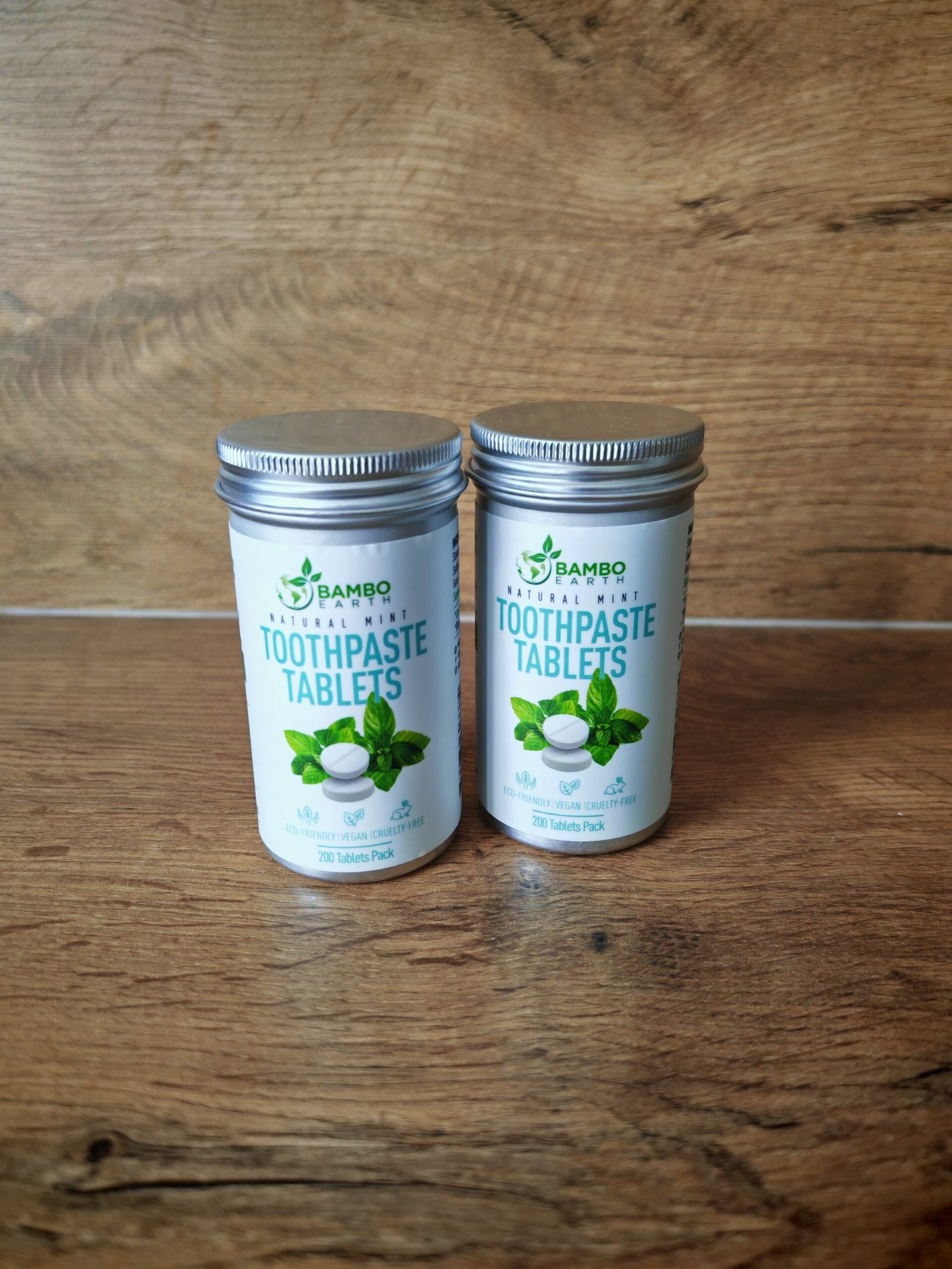
Toothpaste tabs (also called toothpaste tablets) are small solid tablets that replace traditional toothpaste tubes. They are usually stored in a reusable glass jar, metal tin, or compostable refill pouch.
How is it used?
Simply place one tab in your mouth, chew it until it breaks down into a paste-like texture, then brush your teeth with a wet toothbrush as normal.
Why is it a more sustainable option?
Traditional toothpaste typically comes in plastic tubes that are difficult to recycle because they are made from multiple layers of materials. Toothpaste tabs are usually sold in plastic-free, refillable, or compostable packaging, which dramatically reduces waste. Additionally, there is far less water content, so you are spending your money more wisely by only buying the product and re-hydrating the product yourself.
Positives
- Eliminates toothpaste tube waste
- Great for travel and hand luggage
- Easy to portion (no overuse)
- Often available in refillable packaging
- Minimalist and aesthetically pleasing storage
Negatives
- Texture can take some getting used to
- Some people miss the “foamy” feel of regular toothpaste
- Can be slightly more expensive initially, but can be more cost-effective over time
Top tips
Store your tabs in an airtight glass jar in a dry place to prevent moisture getting in. If possible, choose tabs that include fluoride if this is important for your dental care routine.
3 . Shampoo Bar
What is it?
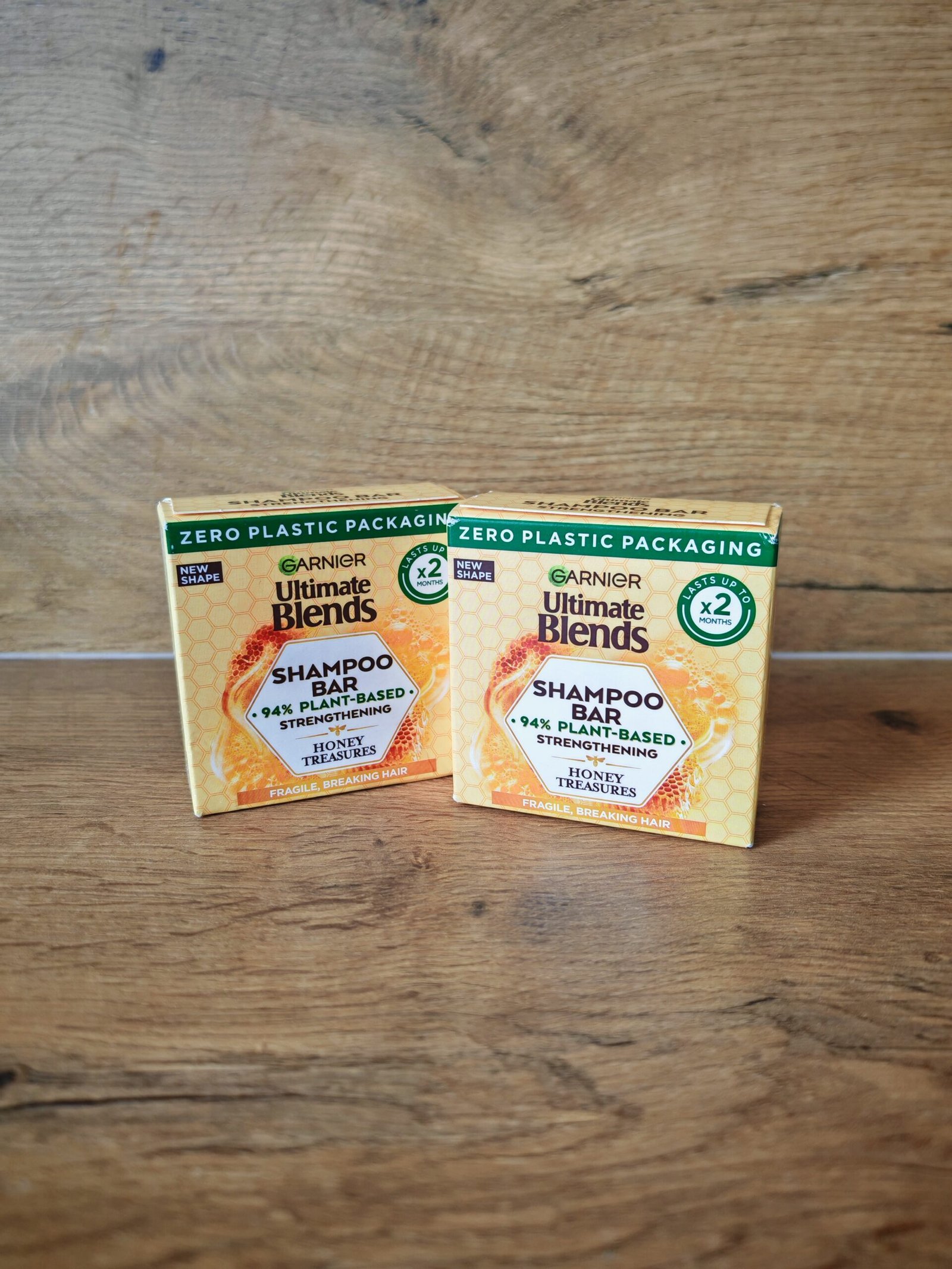
A shampoo bar is a solid bar version of liquid shampoo.
How is it used?
Wet your hair, rub the bar directly onto your scalp or between your hands to create a lather, then massage and rinse.
Why is it more sustainable?
It removes the need for plastic shampoo bottles and usually comes in recyclable cardboard packaging.
Positives
- Zero plastic packaging
- Long lasting
- Great for travel
- Less product waste
Negatives
- Can take time for hair to adjust
- Some formulas may not suit all hair types
Top tips
Use a draining soap dish to extend the life of the bar.
4. Stainless Steel Safety Razor
What is it?
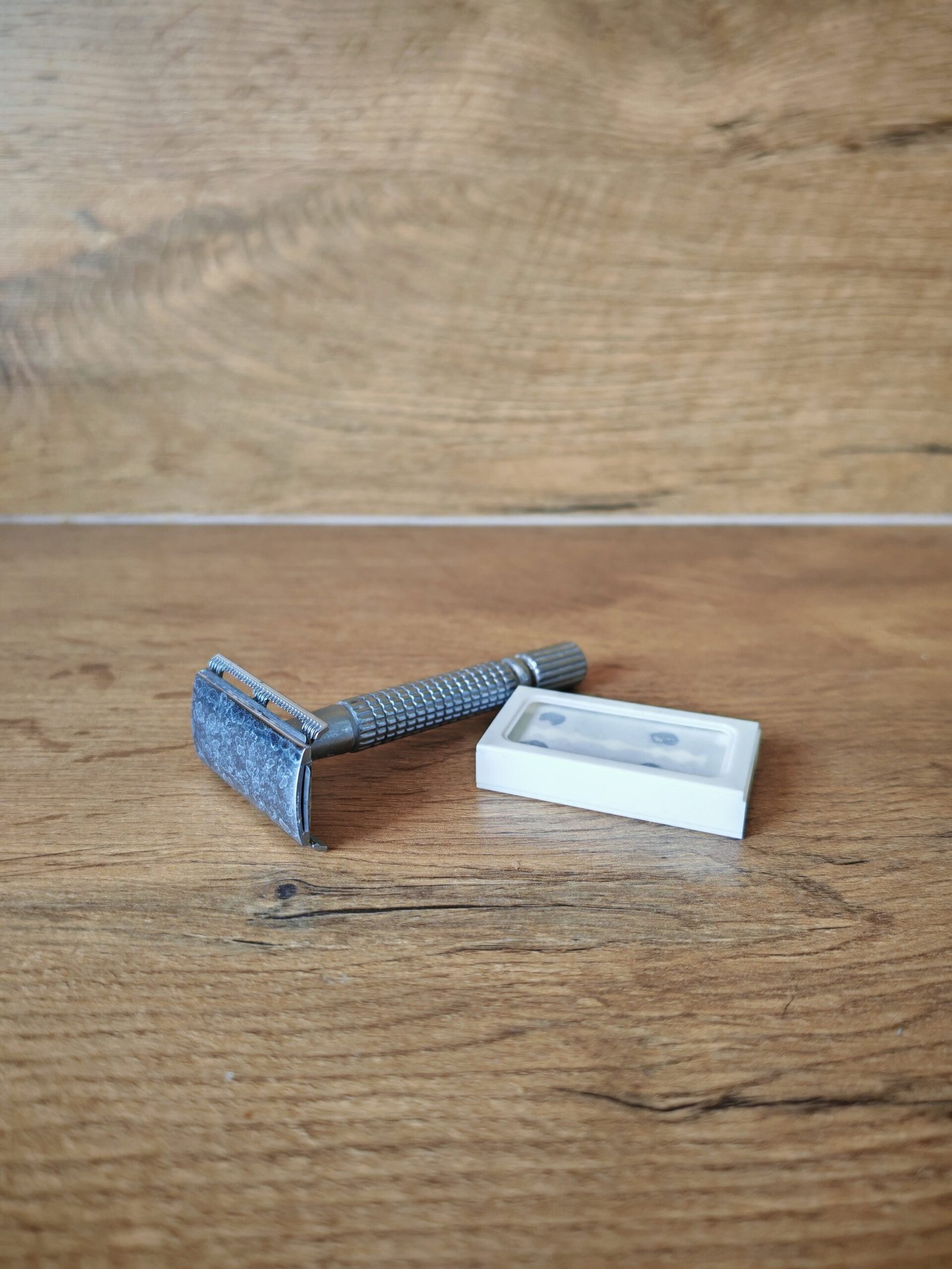
A reusable metal razor that uses replaceable blades.
How is it used?
Insert a fresh blade and shave as you normally would. The metal blades can be collected in a sharps box for proper disposal.
Why is it more sustainable?
Disposable razors create a lot of plastic waste. However, a metal razor can last for years due to the durable materials it is constructed from.
Positives
- Extremely durable
- Cost-effective long term
- Minimal waste
Negatives
- Slight learning curve
- Requires blade handling care
Top tips
Use gentle pressure and let the weight of the razor do the work. Avoid using a dull blade as this can cause irritation to the skin and razor burn – the same as any dull razor can.
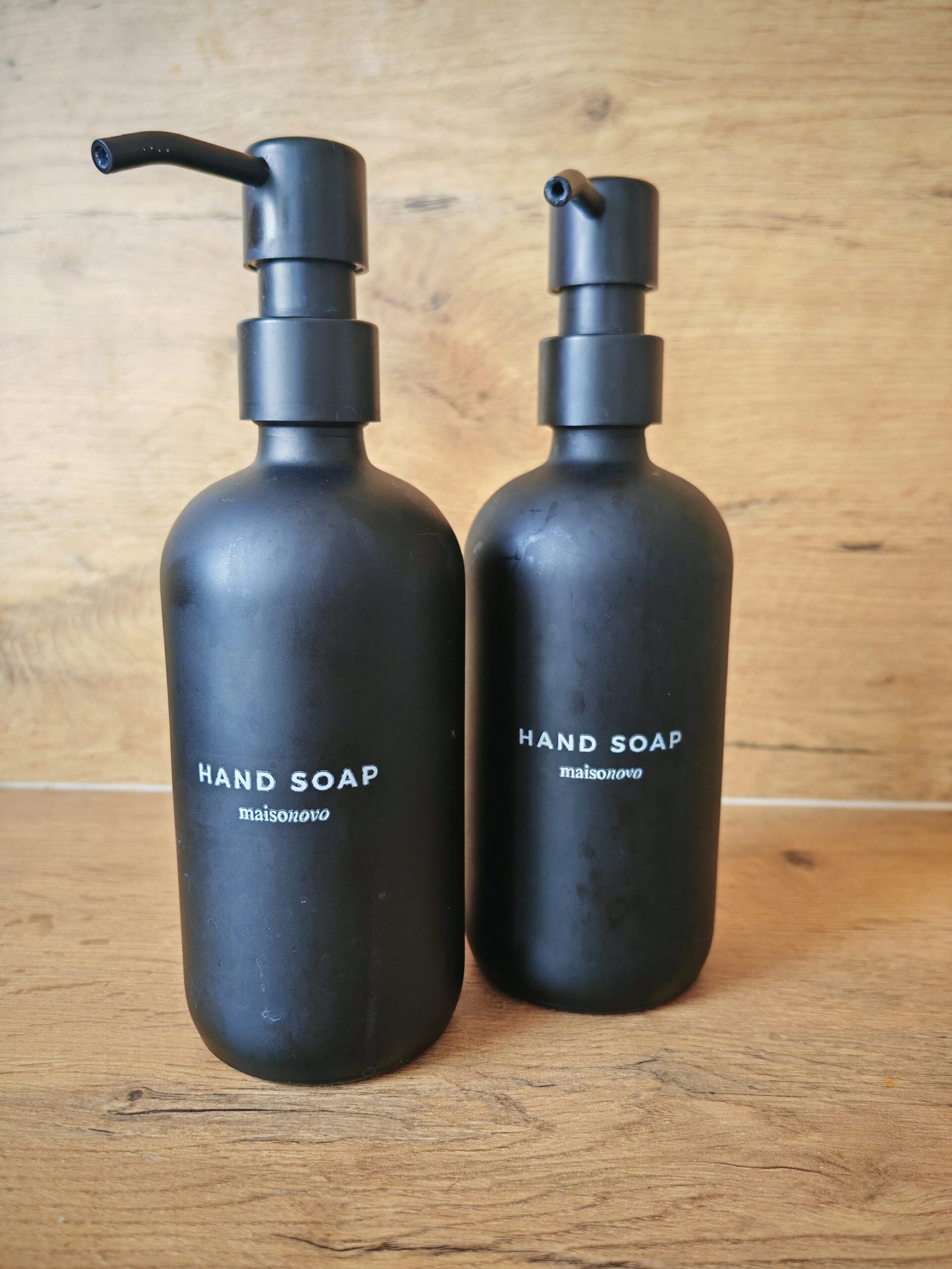
5. Refillable Hand Soap Bottles
These are reusable glass, aluminium, or durable ceramic dispensers that you refill instead of replacing.
How is it used?
Simply top up using refill pouches or local zero-waste shops.
Why is it sustainable?
It cuts down on repeated single-use plastic bottles.
Positives
- Reduces packaging waste
- Looks aesthetically pleasing
- Cost effective
Negatives
- Refill stations may not always be nearby
Top tips
Choose a neutral dispenser style that fits your bathroom aesthetic.
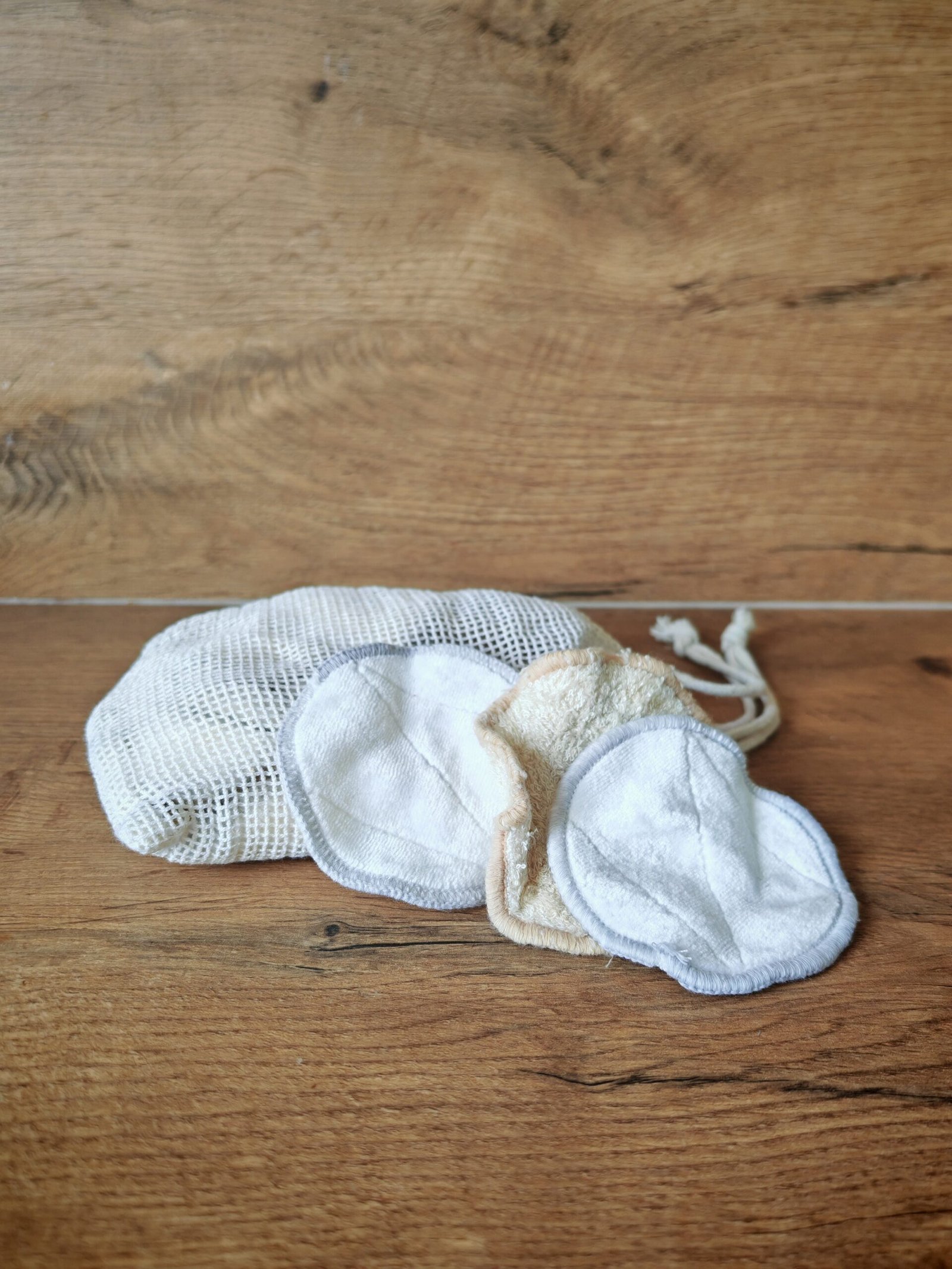
6. Reusable Cotton Pads
What is it?
Washable fabric rounds used for makeup removal, toner, or skincare.
How is it used?
Use as you would a disposable cotton pad, then wash after use.
Why is it sustainable?
It prevents daily single-use waste.
Positives
- Reusable hundreds of times
- Soft on skin
- Saves money
Negatives
- Requires regular washing
Top tips
Keep a small laundry bag nearby for used pads.
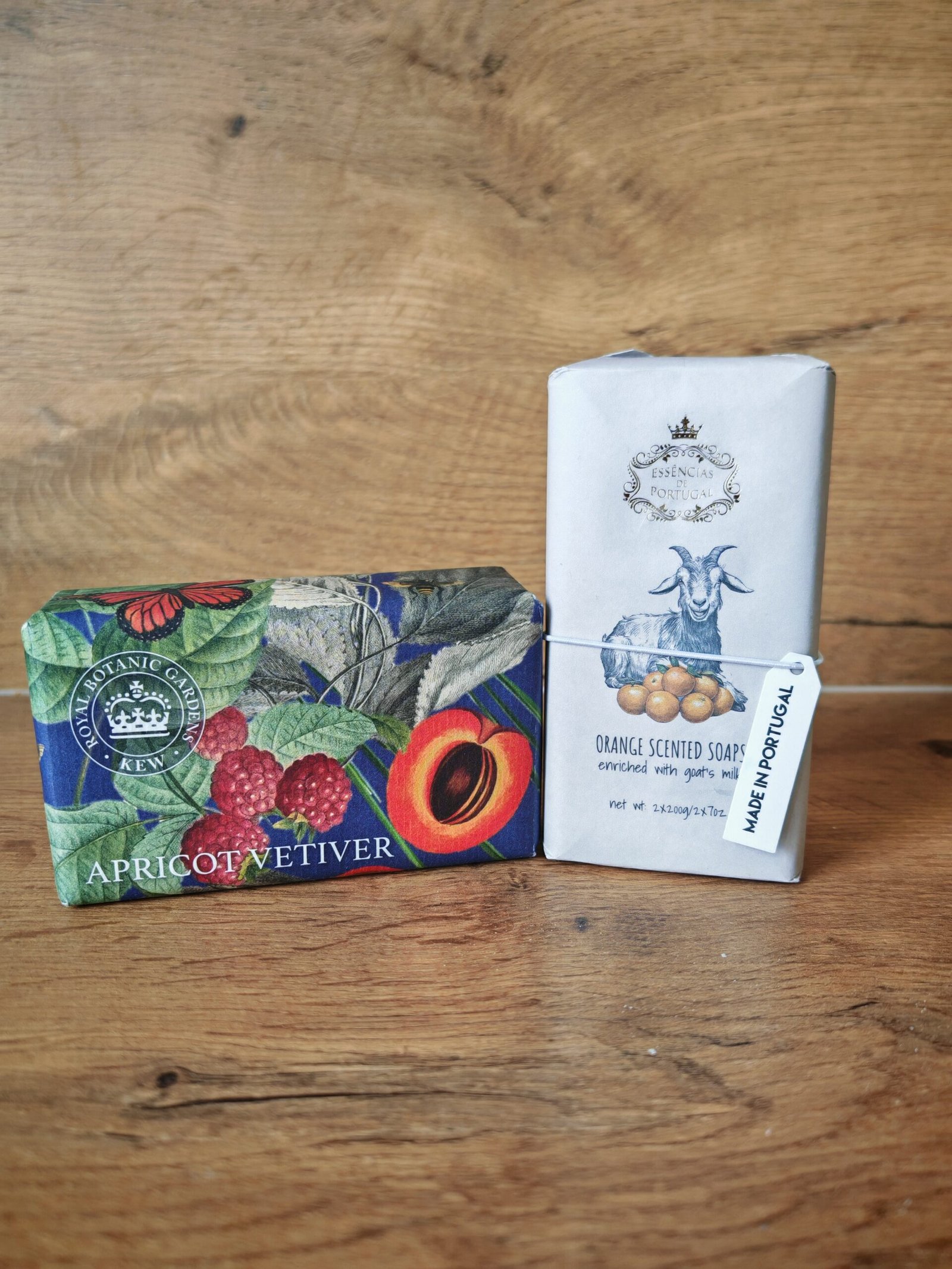
7. Natural Bar Soap
What is it?
A classic eco-friendly essential. Simply put, it is a solid soap bar for handwashing or shower use.
How is it used?
Lather with water and use on hands or body.
Why is it sustainable?
Minimal packaging and less water content during production and transport.
Positives
- Long-lasting
- Plastic-free
- Often natural ingredients
Negatives
- Can become soft if left wet
Top tips
Use a soap dish with drainage holes.
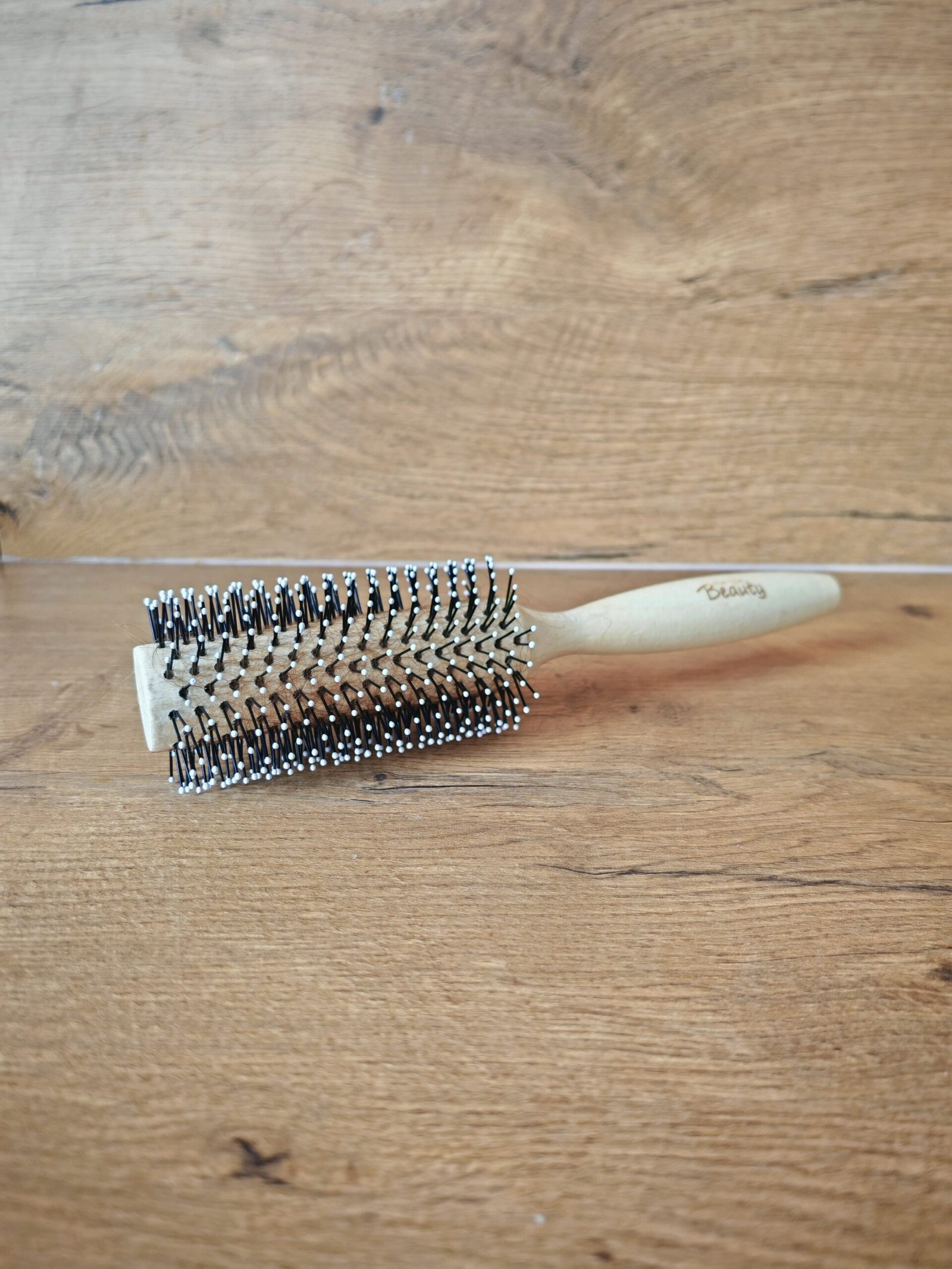
8. Wooden Hairbrush or Comb
What is it?
A durable brush made from bamboo or wood.
How is it used?
For daily hair brushing and detangling.
Why is it sustainable?
Replaces plastic brushes with a longer-lasting alternative.
Positives
- Durable
- Natural materials
- Often gentler on hair
Negatives
- May cost more upfront
Top tips
Clean regularly to extend lifespan.
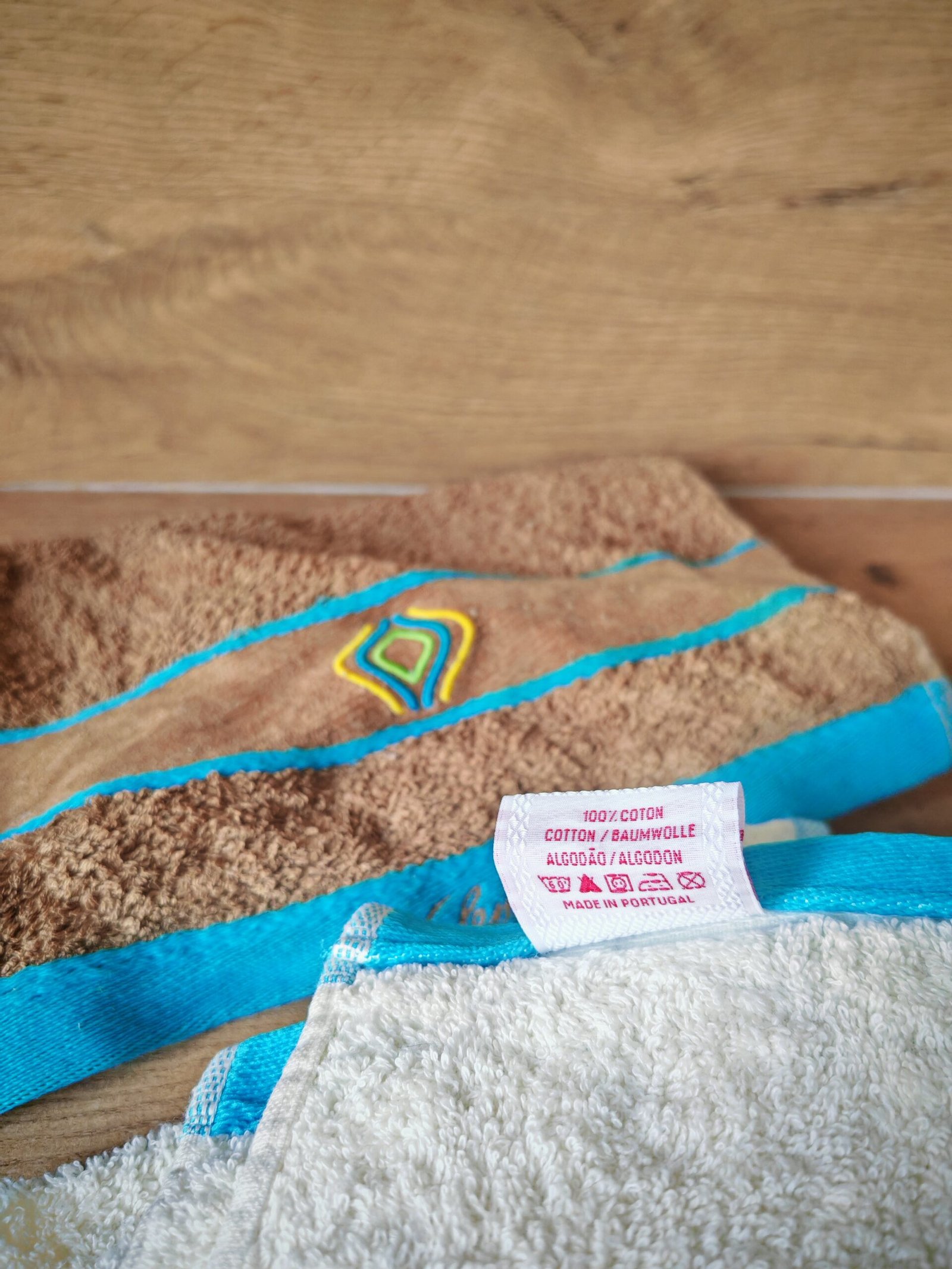
9. Organic Cotton Towels and Washcloths
What is it?
Choose sustainably sourced or recycled fabric options.
Why is it sustainable?
Organic cotton uses fewer harmful chemicals and often less water than conventional cotton.
Positives
- Soft and high quality
- Long lifespan
Negatives
- Higher upfront cost
Top tips
Wash at lower temperatures to reduce energy use.
10. Eco-Friendly Toilet Paper
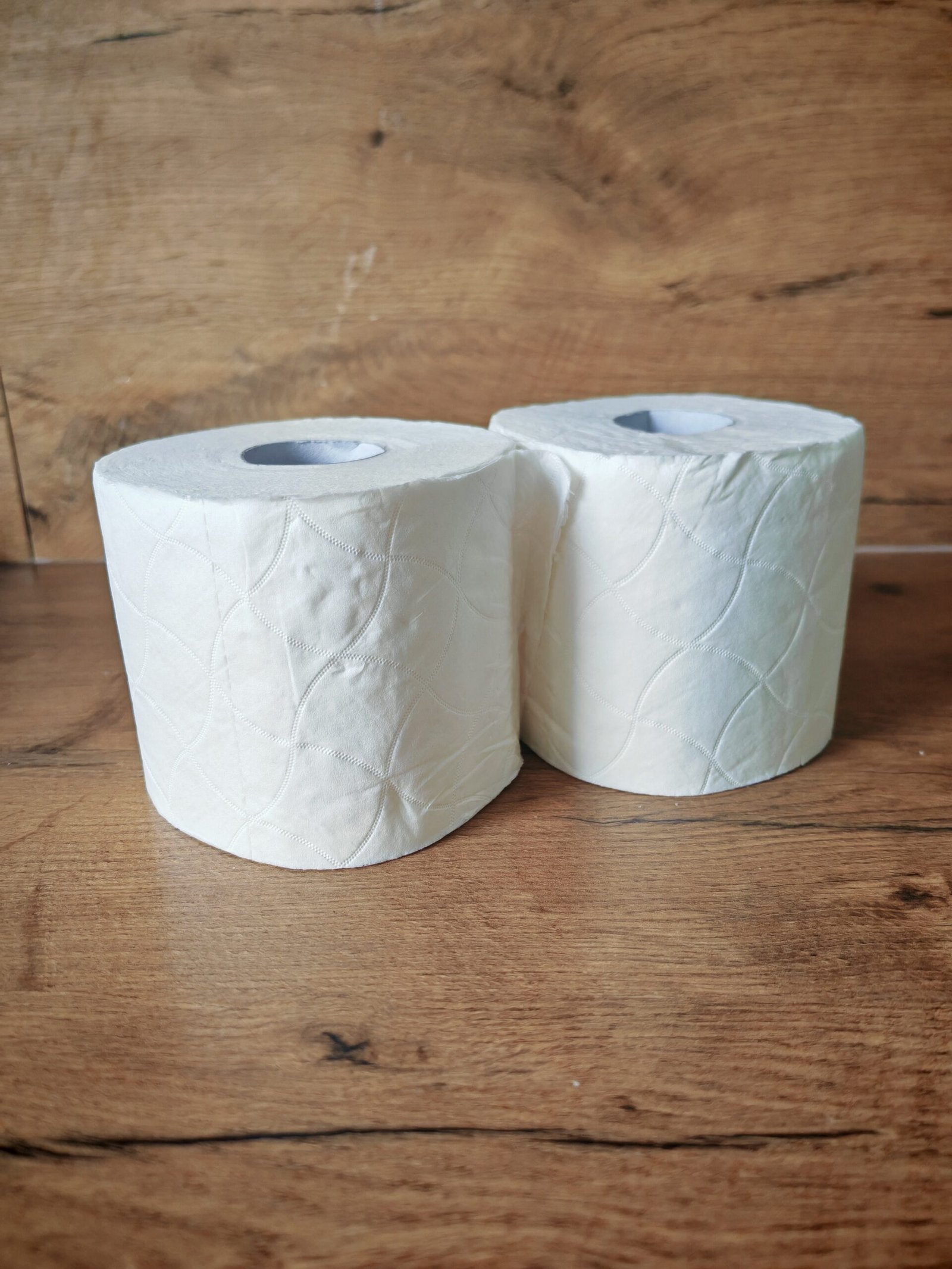
What is it?
Toilet paper made from recycled paper or bamboo fibres.
How is it used?
Exactly as standard toilet paper.
Why is it sustainable?
Uses fewer virgin wood resources and often comes in plastic-free packaging.
Positives
- Easy everyday swap
- Widely available
- Better for forests
Negatives
- Can be slightly more expensive
Top tips
Look for brands with plastic-free delivery packaging.
Final Thoughts
Sustainable living is often about small, consistent choices rather than perfection. Swapping even a few everyday bathroom essentials can make a meaningful difference over time.
The bathroom is one of the simplest places to begin your eco-living journey, and these ten essentials are practical swaps that fit naturally into everyday life.