Practical ideas, honest reflections and realistic ways to make more considered choices in everyday life.
Sustainability does not have to mean changing everything at once. This is a space for exploring practical ways to live with a little more intention, understand the impact of everyday choices and build habits that feel realistic enough to last.
Where do you want to begin?
Sustainable Living
Ideas, reflections and everyday habits for creating a way of living that feels more mindful, balanced and considered.
Thoughtful reviews and recommendations for products that aim to offer a more responsible alternative, with a focus on usefulness rather than unnecessary consumption.
Sustainable living is not about following a perfect set of rules. It is about understanding the choices available to us, deciding what works in real life and gradually building habits that feel both responsible and realistic.
Sometimes the most sustainable option is simply to use what you already own. When something does need replacing, this is where I share products I have researched, tried or genuinely believe offer a more considered alternative.
Sustainable living does not require a complete lifestyle overhaul. Begin with one or two changes that feel realistic, then build from there.
Use What You Already Have
The most sustainable option is often the thing you already own. Repair, reuse and repurpose before automatically replacing something with a new alternative.
Buy Less, Choose Better
Before purchasing something new, consider whether you genuinely need it. When you do buy, look for quality, durability and products designed to last.
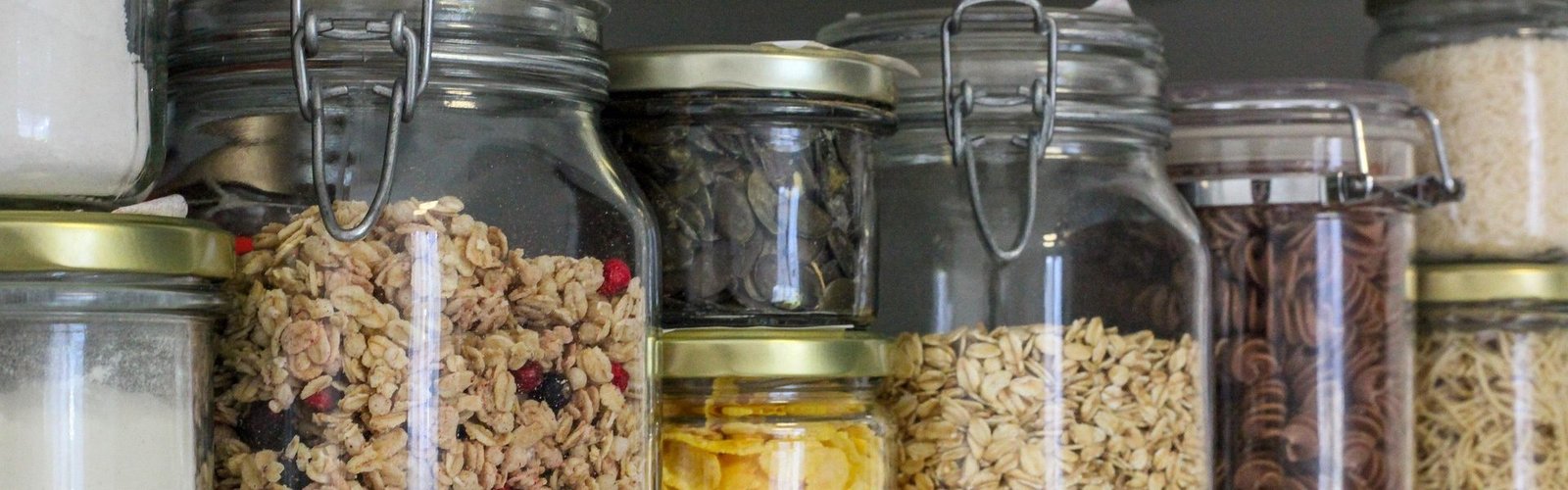
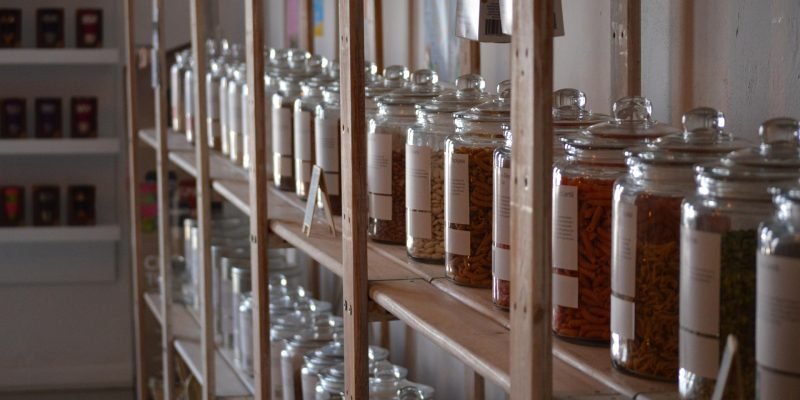
Waste Less Food
Plan meals around what you already have, store food carefully and find creative ways to use leftovers. Small changes in the kitchen can prevent a surprising amount of waste.
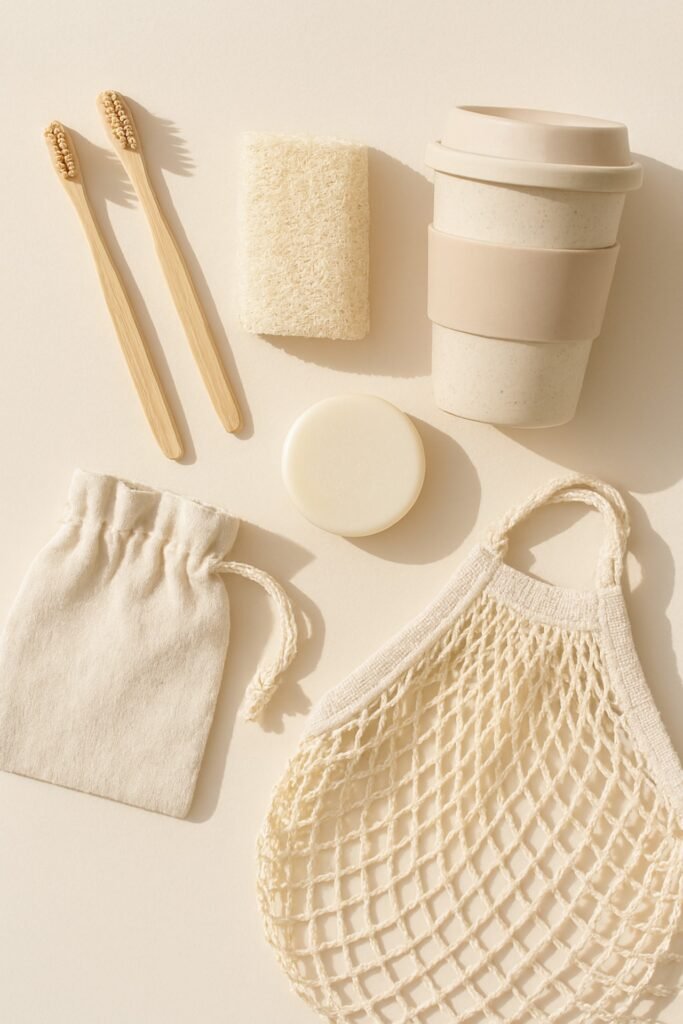
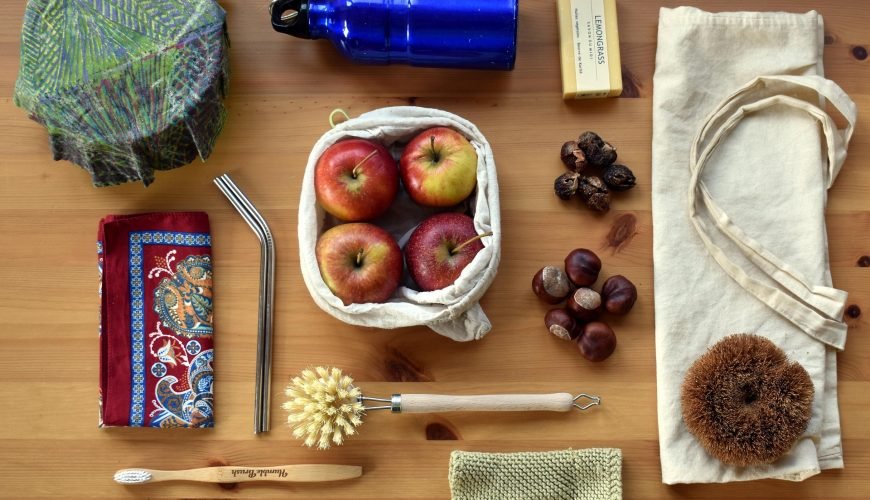
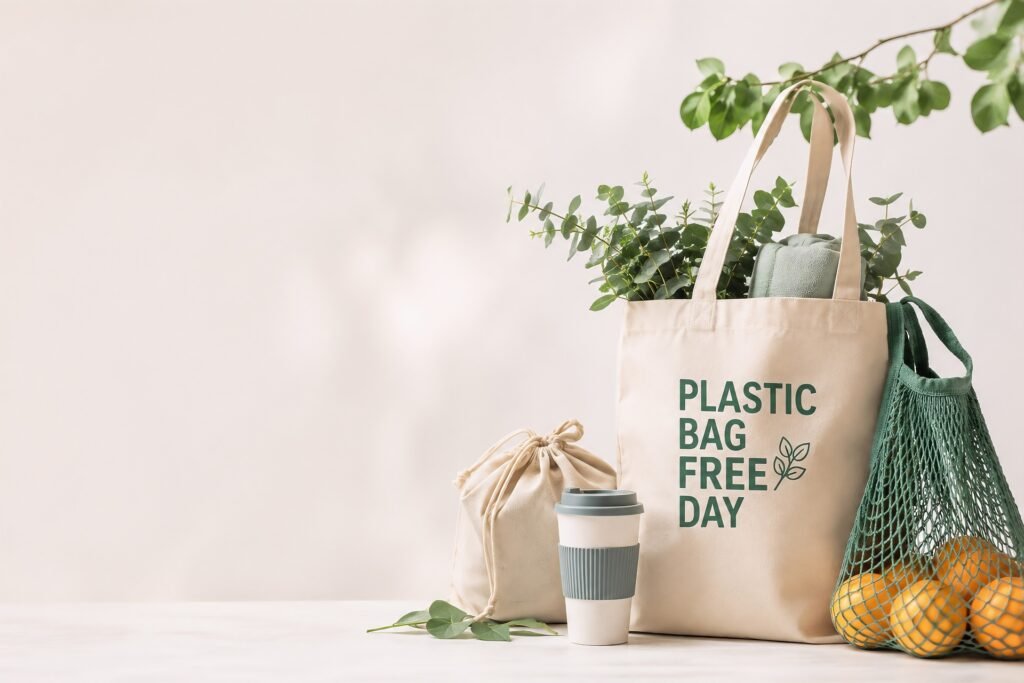
Choose Reusable Where It Makes Sense
Reusable alternatives can help reduce everyday waste, particularly for items you use regularly. Focus on practical swaps that genuinely fit into your routine.
Eat with the Seasons
Choosing seasonal produce can encourage a more varied diet while helping you become more connected to where your food comes from and how it is produced.
Think Before You Throw
Before something goes into the bin, ask whether it can be repaired, reused, donated, recycled or given another purpose.
Support Better Choices
Where possible, support businesses that are transparent about how their products are made, sourced and packaged. Your spending can help encourage more responsible practices.
Question the Green Claims
Words such as natural, eco-friendly and sustainable do not always tell the whole story. Look beyond the marketing and check what a company is actually doing before making a decision.
Aim for Progress, Not Perfection
Sustainability is not about making every decision perfectly. It is about becoming more aware of your choices and gradually creating habits that work for both you and the world around you.